Radar Level Transmitter - A Brief Introduction
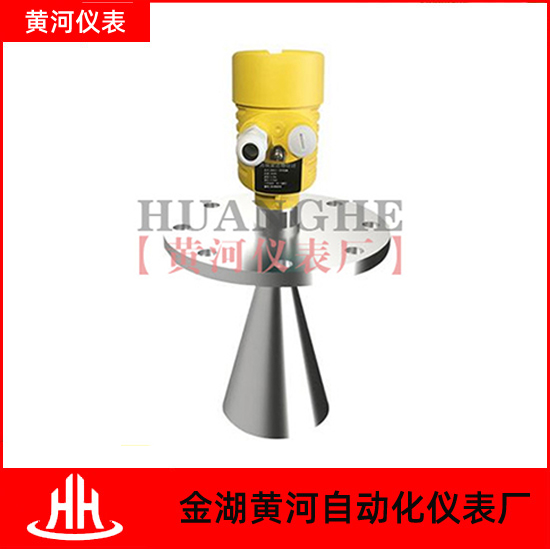
Radar level transmitters, also commonly known as radar level gauges, are widely used in various industries to measure liquid levels. They utilize electromagnetic waves to detect the distance from the instrument to the surface of the liquid, providing accurate and reliable results. One of the most significant aspects of a radar level transmitter is its easy integration into different systems, making it a preferred choice for many applications.
The name "radar level transmitter" reflects the technology used and its purpose. Radar stands for Radio Detection and Ranging, referring to the use of radio waves for measurement. The term "level" indicates that this device is specifically designed to measure liquid levels, while "transmitter" implies that it can transmit the measured data to external devices or control systems for further analysis and monitoring.
With advancements in technology and the growing demand for automation, radar level transmitters have gained popularity worldwide. The ability to accurately measure liquid levels without direct contact with the medium has made these instruments indispensable in critical processes involving fluids, such as chemical processing, oil and gas refineries, water treatment plants, pharmaceutical industries, and more.
Overall, radar level transmitters offer several advantages over traditional level measurement methods. Firstly, they provide accurate readings even in challenging environmental conditions, such as high temperatures, extreme pressure, or the presence of vapors or dust. Moreover, their non-contact measurement principle eliminates the need for physical probes or floats, reducing the risk of contamination or wear and tear. Furthermore, their compatibility with various types of liquids, including corrosive or viscous substances, makes them suitable for a wide range of applications.
In conclusion, radar level transmitters play a vital role in modern industrial processes by enabling precise and reliable measurement of liquid levels. Their ability to operate under harsh conditions and compatibility with different liquids make them a preferred choice in various industries. The name "radar level transmitter" aptly describes their working principle and functionality, making it easier for professionals to identify and utilize these instruments effectively.