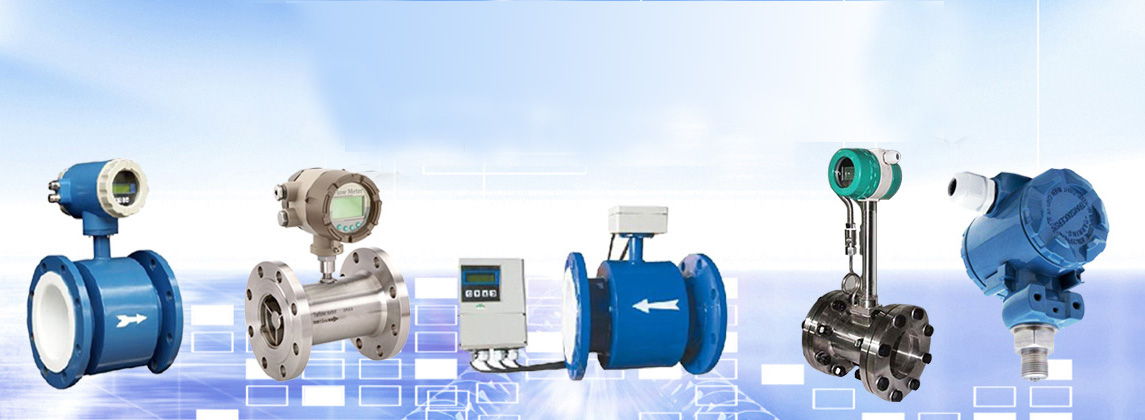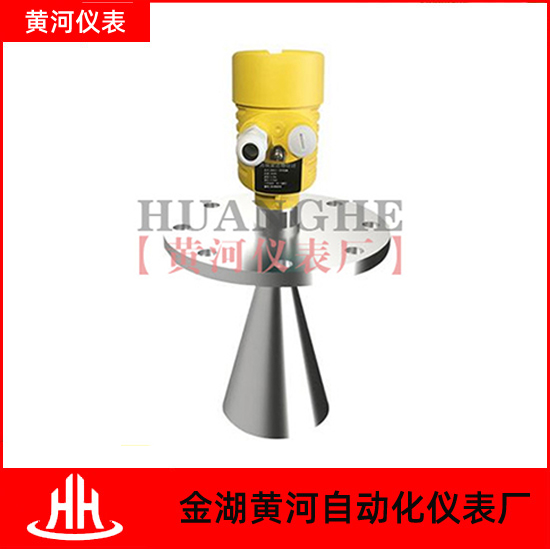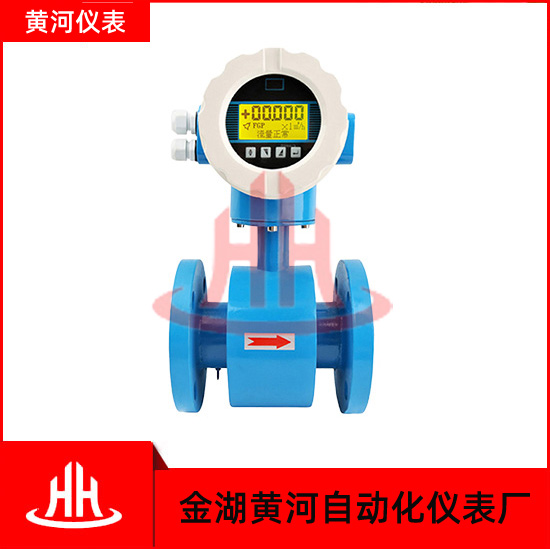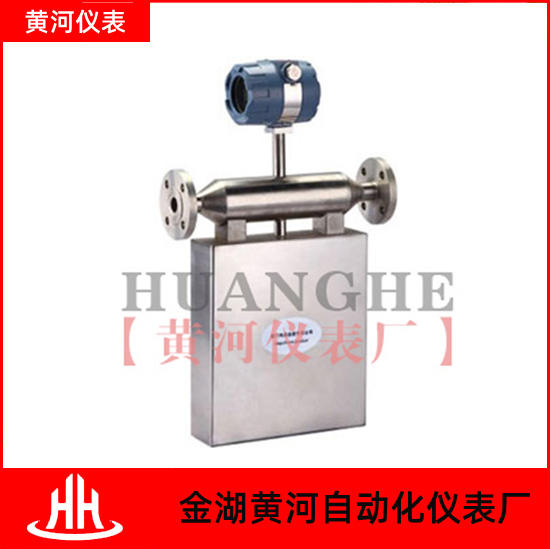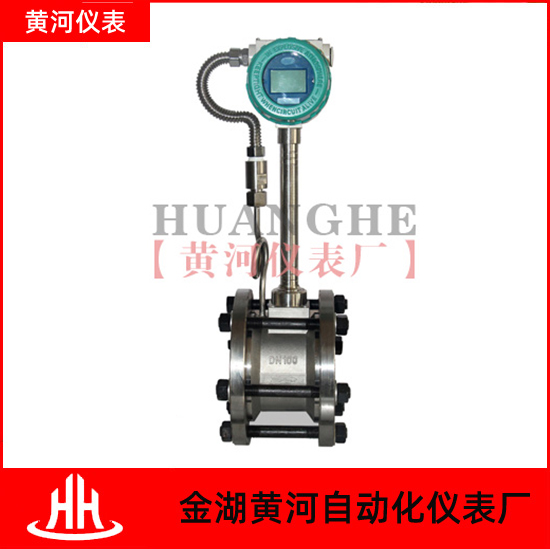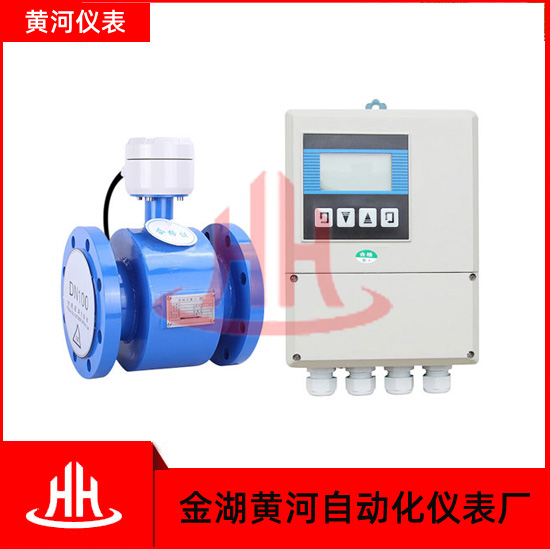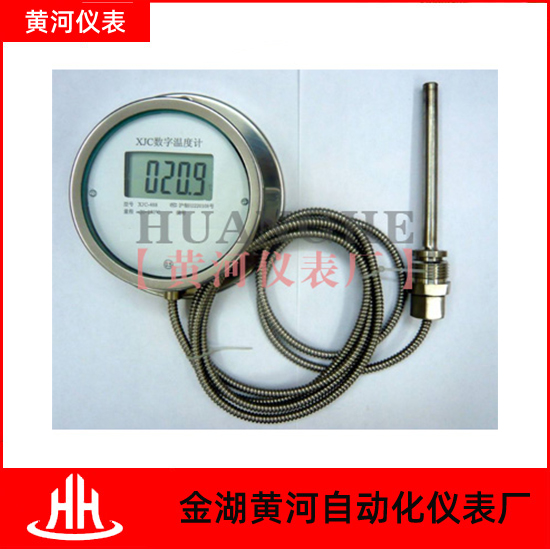
The Turbine Flow Meter
The turbine flow meter is an instrument used to measure the flow rate of fluids in a wide range of industries. It is highly accurate and reliable, making it suitable for various applications. This article provides an overview of the turbine flow meter, its working principle, advantages, and limitations.
Working Principle
The turbine flow meter operates on the principle of measuring the volumetric flow rate of fluids by utilizing the rotational motion of a rotor within the flow stream. As the fluid flows through the meter, it imparts kinetic energy to the blades of the rotor, causing it to spin. The rotational speed of the rotor is directly proportional to the flow rate of the fluid, allowing for precise measurements.
Advantages
One of the major advantages of the turbine flow meter is its high accuracy. It can provide reliable flow rate measurements with an accuracy of up to ±1% of the actual flow rate. Additionally, the instrument offers a wide turndown ratio, allowing it to accurately measure flow rates from low to high.
Another advantage is the quick response time of the turbine flow meter. It can rapidly detect changes in flow rates, making it ideal for applications where real-time flow monitoring is crucial.
Limitations
Despite its many advantages, the turbine flow meter does have certain limitations. Firstly, it is sensitive to fluid properties such as viscosity and density. Any variations in these properties can affect the accuracy of the measurements. Secondly, the presence of suspended solids or debris in the fluid can cause damage to the rotor, leading to inaccurate readings. Therefore, it may not be suitable for applications involving dirty or abrasive fluids.
Applications
The turbine flow meter finds applications in various industries, including oil and gas, chemical processing, water treatment, and pharmaceuticals. It is commonly used for measuring the flow rates of liquid hydrocarbons, chemicals, water, and gases.
In the oil and gas industry, turbine flow meters are utilized for custody transfer applications to accurately measure the flow of oil and gas between buyers and sellers.
Conclusion
The turbine flow meter is a highly reliable and accurate instrument for measuring the flow rate of fluids. Its working principle, advantages, and limitations make it suitable for a wide range of applications. However, it is important to consider the fluid properties and potential presence of solids when selecting a turbine flow meter for a specific application.