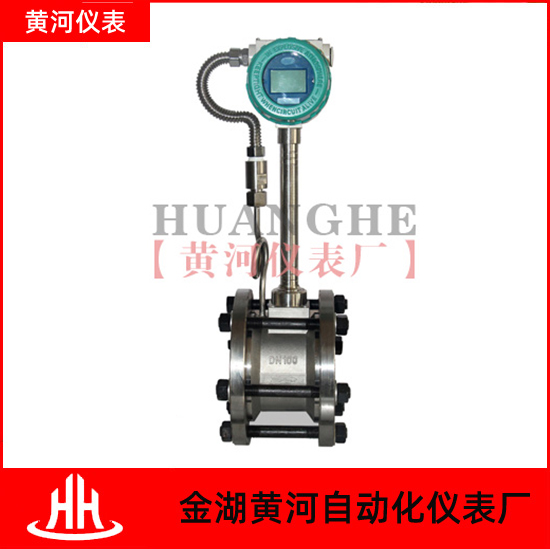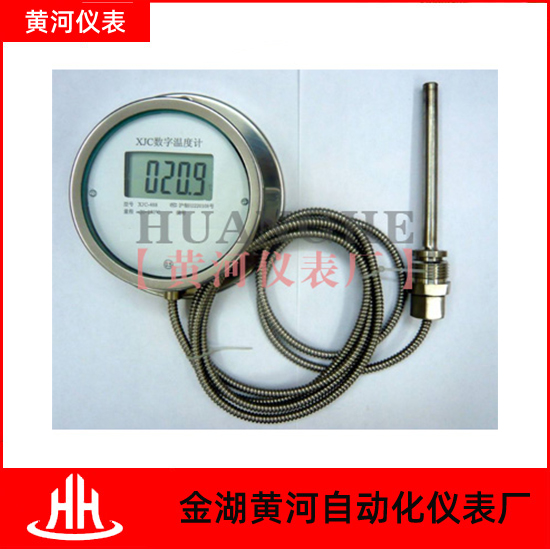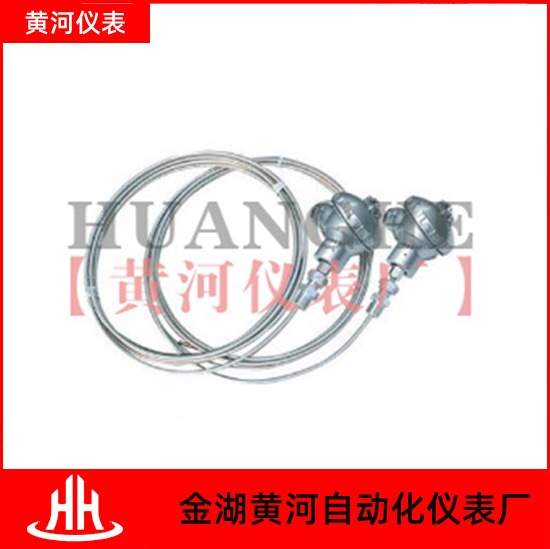
Direct Current Electromagnetic Flow Meter
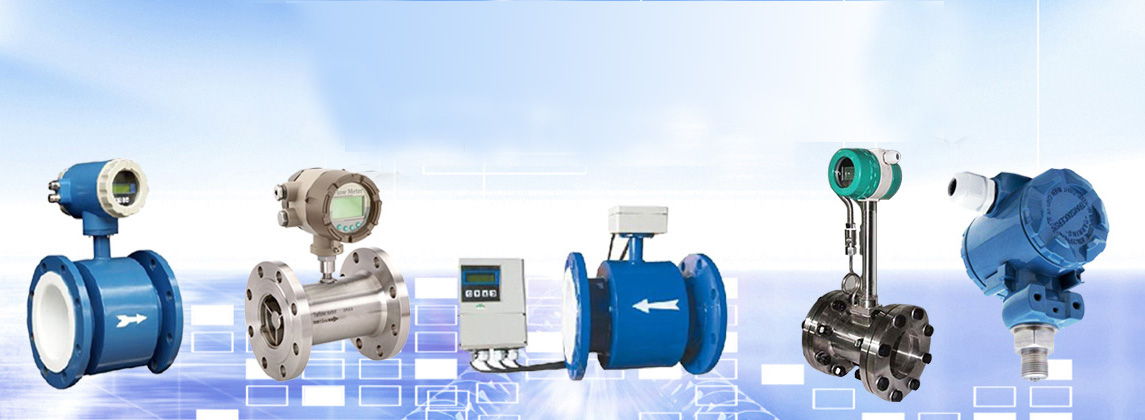
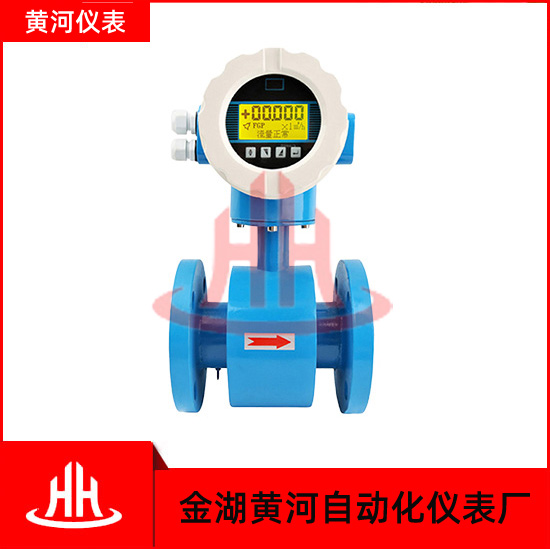
The direct current electromagnetic flow meter is a widely used instrument in the field of fluid flow measurement. It is efficient, accurate, and reliable, making it an essential device in various industries, including water supply, wastewater treatment, chemical processing, and more.
One of the key advantages of the direct current electromagnetic flow meter is its ability to measure the flow rate of conductive liquids. It utilizes Faraday's law of electromagnetic induction, which states that when a conductor moves through a magnetic field, an electromotive force is generated. In the case of the flow meter, the conductive liquid acts as the conductor, and the magnetic field is created by powerful magnets placed around the pipe. As the liquid flows through the pipe, it generates a voltage proportional to its velocity, allowing for accurate flow rate measurement.
Another notable feature of the direct current electromagnetic flow meter is its wide range of applications. It can handle fluids with various conductivity levels, from low-conductivity liquids like deionized water to highly conductive substances such as acids and bases. This versatility makes it suitable for a diverse range of industries and processes.
In addition to its reliability and versatility, the direct current electromagnetic flow meter offers several other benefits. Its non-intrusive design means that it does not obstruct the flow or introduce pressure drop, resulting in minimal interference and energy loss. The instrument is also capable of measuring bidirectional flow, making it ideal for applications where flow direction changes frequently. Furthermore, the flow meter has no moving parts, reducing the need for maintenance and minimizing the risk of mechanical failure.
In conclusion, the direct current electromagnetic flow meter is an essential tool in fluid flow measurement. With its efficiency, accuracy, versatility, and reliability, it enables industries to monitor and control fluid flow rates effectively. Whether in water treatment plants, chemical processing facilities, or other related industries, this instrument plays a pivotal role in optimizing processes and ensuring efficient operations.