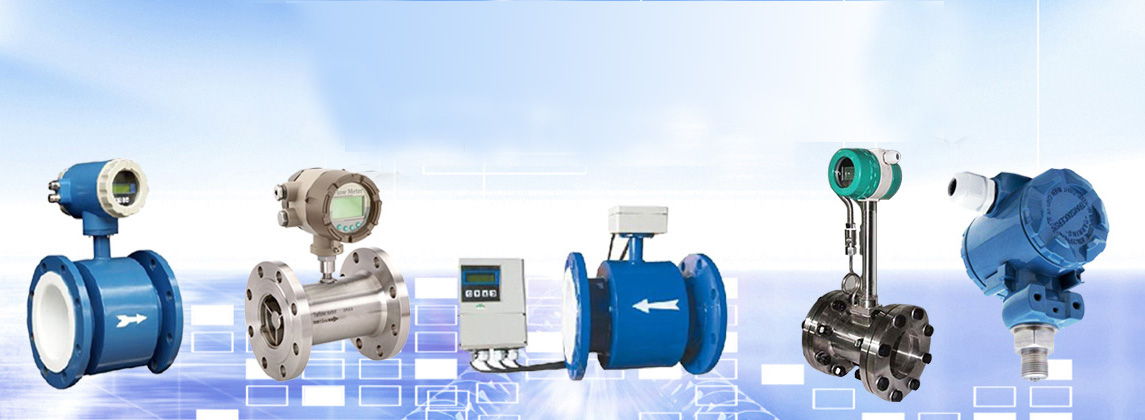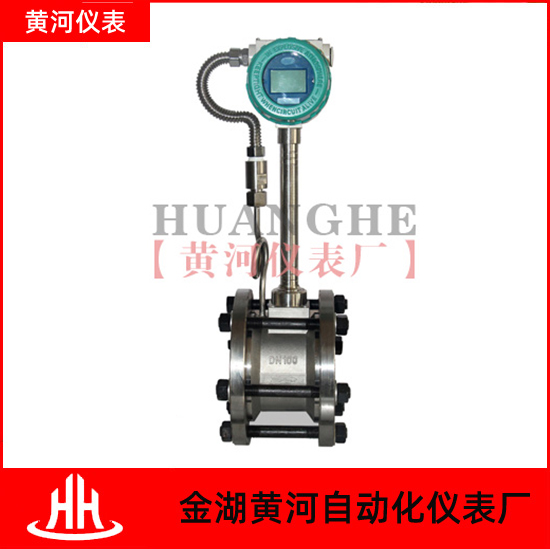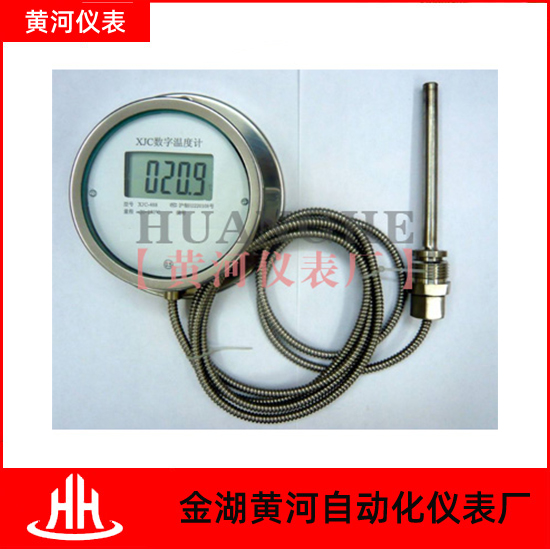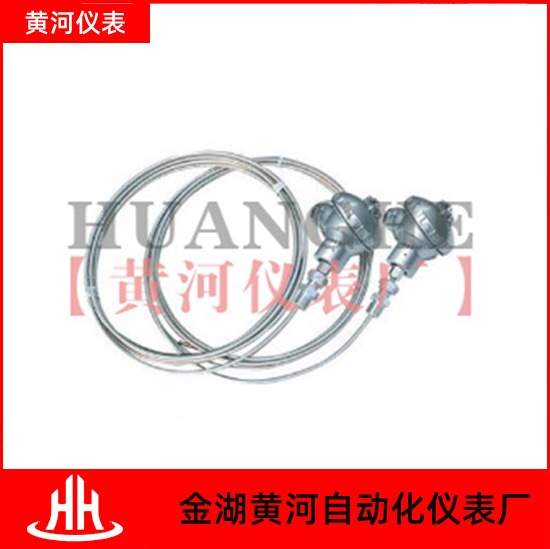
Overheating Steam Flowmeter Installation
Introduction
Steam is a vital component in many industrial processes, such as power generation, chemical production, and heating systems. Accurate measurement of steam flow is crucial for efficient and safe operations. In this article, we will discuss the installation considerations for steam flowmeters in high-temperature environments.
Challenges of High-Temperature Environments
Installing flowmeters in high-temperature environments presents unique challenges. The first challenge is the selection of materials that can withstand the extreme temperatures without degradation. The second challenge is ensuring proper heat dissipation to prevent damage to the flowmeter and ensure accurate measurements. Lastly, safety precautions must be considered to protect personnel during installation and maintenance.
Material Selection
The selection of suitable materials for steam flowmeters in high-temperature applications is critical. The flowmeter itself must be made of materials that can withstand the high temperatures to avoid deformation or malfunctioning. Common materials used include stainless steel, special alloys, or ceramics, which have excellent thermal resistance.
Additionally, other components like gaskets, seals, and connections also need to be carefully selected to withstand the high temperatures and avoid leaks or failures. It is essential to consult with experts or manufacturers to ensure the compatibility of all materials in the steam flowmeter installation.
Heat Dissipation
Heat dissipation is crucial to avoid damage to the flowmeter and maintain accurate measurements. Excessive heat can cause the flowmeter to malfunction or affect the integrity of its readings. Several considerations can improve heat dissipation:
1. Install appropriate insulation around the flowmeter to minimize heat transfer to surrounding equipment or personnel.
2. Properly ventilate the area to allow air circulation and prevent heat buildup.
3. Use a flow straightener upstream of the flowmeter to stabilize the flow and reduce turbulence, which can generate additional heat.
Safety Precautions
Installing flowmeters in high-temperature environments requires stringent safety precautions. Here are some essential safety measures to consider:
1. Ensure proper training for the personnel involved in the installation to handle high-temperature equipment safely.
2. Provide appropriate personal protective equipment (PPE) to protect against burns or other hazards.
3. Conduct regular maintenance and inspections to identify any potential issues or malfunctions before they cause accidents.
4. Follow industry standards and guidelines for steam flowmeter installation and safety.
Conclusion
Installing steam flowmeters in high-temperature environments is critical for accurate measurement and efficient operations. The selection of suitable materials, proper heat dissipation measures, and adherence to safety guidelines are essential for successful installation and long-term functionality.
By addressing the challenges associated with high-temperature steam flowmeter installation, industries can confidently measure steam flow rates, avoid equipment damage, and ensure the safety of personnel. Always consult with experts or manufacturers to ensure the materials and procedures used are appropriate for each specific installation.