Electromagnetic Flowmeter Parameters: An Overview
Introduction:
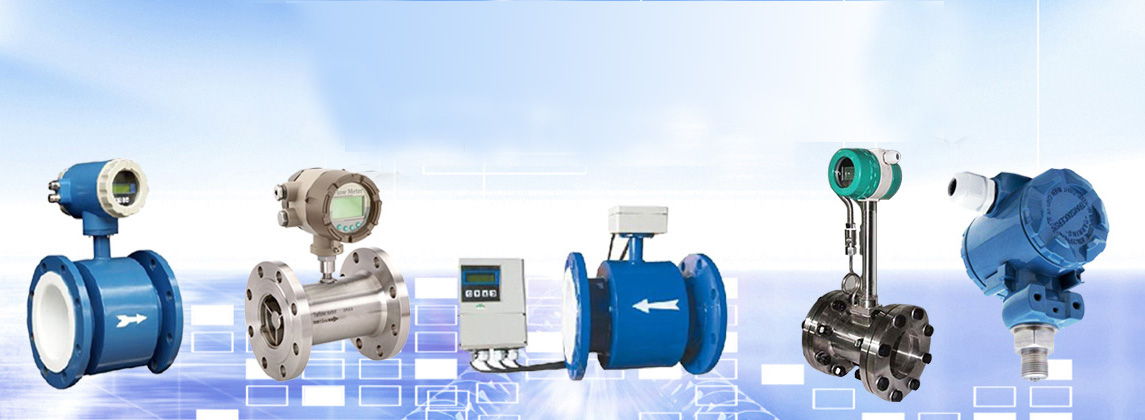
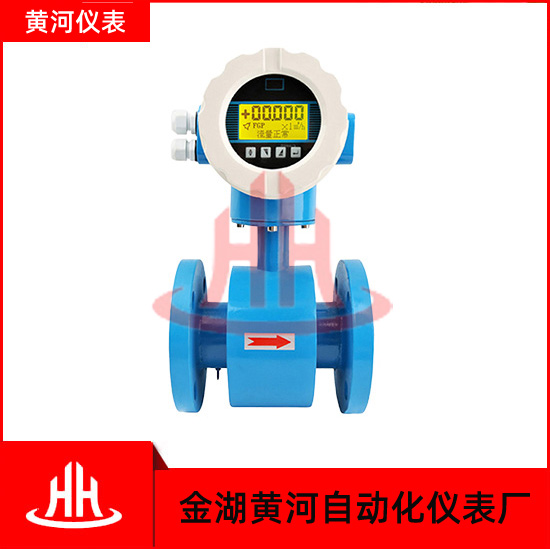
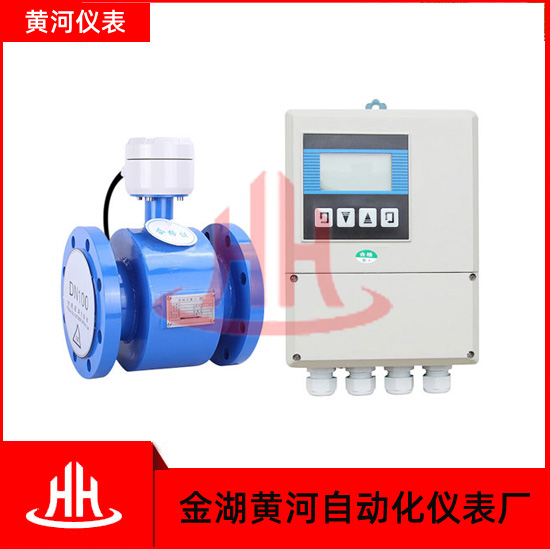
The electromagnetic flowmeter is a widely used instrument to measure the flow rate of conductive liquids in various industries. It offers advantages such as high accuracy, wide flow range, and minimal maintenance requirements. In this article, we will discuss the key parameters of an electromagnetic flowmeter and their significance in measuring flow accurately.
1. Flow Range:
The flow range refers to the minimum and maximum flow rates that a flowmeter can measure. It is an essential parameter to consider while selecting a suitable electromagnetic flowmeter for specific applications. The flow range should be within the expected flow rates of the application to ensure precise measurement.
2. Accuracy:
Accuracy is a crucial parameter that determines the reliability of flow measurement. The accuracy of an electromagnetic flowmeter is typically expressed as a percentage of the actual flow rate. It depends on factors such as the flow profile, fluid conductivity, and the quality of the flowmeter itself. The higher the accuracy, the more reliable the measurements will be.
3. Repeatability:
Repeatability refers to the variation in the flow rate measurements obtained from repeated tests under similar conditions. It is an important parameter to assess the consistency of the flowmeter's performance. A low repeatability value indicates that the flowmeter produces consistent and reliable measurements.
4. Linearity:
Linearity refers to the ability of the flowmeter to maintain a linear relationship between the input signal and the measured flow rate. A high linearity value indicates that the flowmeter accurately reflects changes in flow rate. Linearity is crucial for applications where precise control of flow is necessary.
5. Pressure and Temperature Ratings:
Electromagnetic flowmeters have specific pressure and temperature limits beyond which their performance may be affected. It is important to consider these limits while selecting a flowmeter for an application. The pressure rating indicates the maximum pressure that a flowmeter can withstand without damage, while the temperature rating specifies the maximum and minimum temperatures at which the flowmeter can operate reliably.
6. Output Signal:
An electromagnetic flowmeter typically provides a variety of output signal options, such as analog (4-20mA) or digital (RS485, Modbus, etc.). The choice of output signal depends on the compatibility with the process control system. It is important to ensure that the output signal provided by the flowmeter is suitable for integration into the existing control system.
7. Fluid Conductivity:
The conductivity of the fluid being measured affects the performance of an electromagnetic flowmeter. A minimum level of fluid conductivity is required for the flowmeter to operate accurately. If the fluid conductivity is too low, a specialized flowmeter with conductivity compensation may be necessary.
8. Installation Requirements:
Proper installation is crucial for accurate flow measurement. Factors such as the pipe material, pipe diameter, and the presence of obstructions or bends can affect the performance of an electromagnetic flowmeter. It is essential to follow the manufacturer's guidelines for installation to ensure optimal measurement accuracy.
Conclusion:
Understanding the parameters of an electromagnetic flowmeter is key to obtaining accurate flow measurements. Parameters such as flow range, accuracy, repeatability, linearity, pressure and temperature ratings, output signal, fluid conductivity, and installation requirements all play a significant role in selecting and using a flowmeter that meets the specific needs of an application. Careful consideration of these parameters will ensure reliable flow measurement and enable efficient process control.