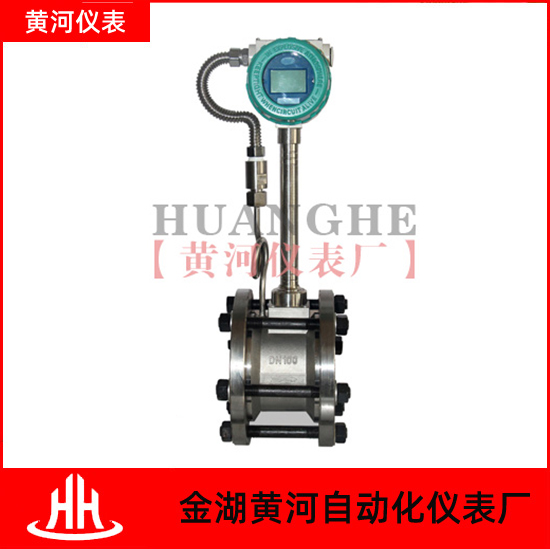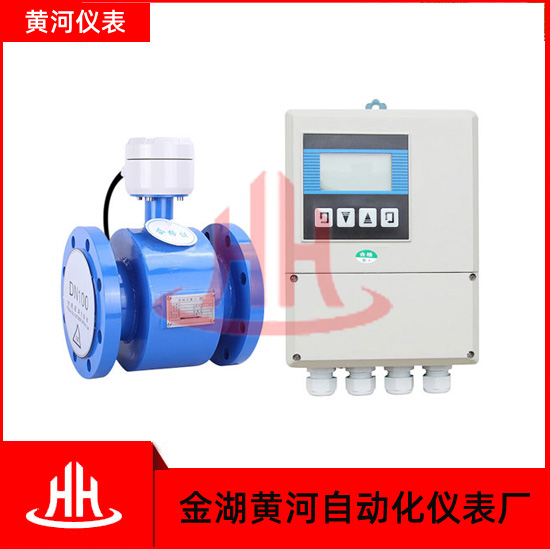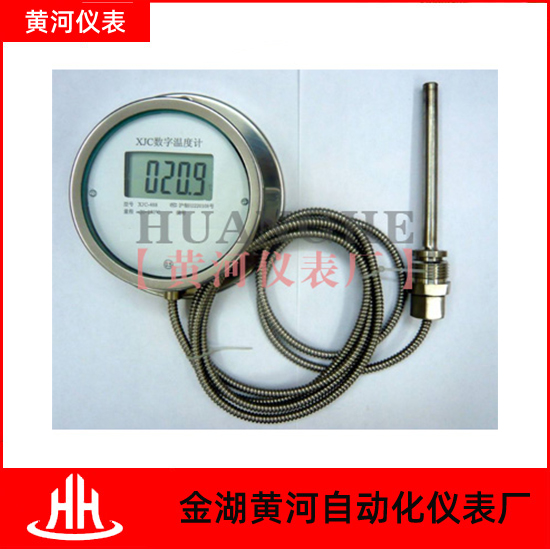
A metal tube rotameter, also known as a variable area flow meter, is a device used to measure the flow rate of liquids, gases, and steam. It consists of a tapered tube, typically made of metal, and a float that moves freely within the tube. As the fluid flows through the tube, it exerts an upward force on the float, causing it to rise. The height to which the float rises is directly proportional to the flow rate.
The working principle of a metal tube rotameter is based on the variable area principle, which states that for a given fluid and float density, the flow rate is proportional to the area through which the fluid flows. In a rotameter, the area available for flow increases as the float rises in the tapered tube. When the fluid enters the bottom of the tube, it encounters the float. The fluid exerts an upward force on the float, while the weight of the float acts downward. As the flow rate increases, the upward force on the float also increases. This causes the float to rise until the upward force and the downward force are balanced. At this point, the float reaches a stable position within the tube.
The position of the float is measured against a calibrated scale on the tube, which is typically graduated in units of flow rate, such as liters per minute (LPM) or gallons per minute (GPM). The scale is calibrated for a specific fluid density and viscosity. If the fluid properties change, a correction factor may be required to obtain an accurate flow measurement.
Metal tube rotameters are available in a variety of designs to suit different applications. Some of the most common types include:
These rotameters have a glass tube that allows for direct visual observation of the float. They are suitable for low-pressure applications with clean, non-corrosive fluids.
These rotameters have a metal tube that can withstand higher pressures and temperatures compared to glass tube rotameters. They are suitable for a wider range of fluid types, including corrosive fluids.
This type of rotameter has a bypass tube which allows a portion of the main flow to bypass the measuring tube. It is useful for high flow rates where a standard rotameter would be too large or expensive.
As the name suggests, they come with a purging arrangement that keeps the measuring tube clean. They are mainly used for fluids that tend to leave deposits on the inner surface of the tube during measurements.
In addition to these, metal tube rotameters can be classified based on the connection type which could be flanged, threaded, or tri-clamp. Furthermore, they are also classified according to the signal output type. They may have an analog signal output, a digital signal output, or both.
Metal tube rotameters offer several advantages over other types of flow meters, including:
Simple Design: Metal tube rotameters have a simple, robust design that is easy to install and maintain. Wide Measuring Range: They can measure a wide range of flow rates, from a few milliliters per minute to thousands of liters per minute. Linear Output: Metal tube rotameters provide a relatively linear output over a wide flow range, making them easy to calibrate and interpret. Low-Pressure Drop: They have a relatively low-pressure drop, which minimizes energy losses in the system. Cost Effective: Metal tube rotameters are generally less expensive than other types of flow meters with comparable accuracy and reliability.Despite their many advantages, metal tube rotameters also have some disadvantages, including:
Fluid Density and Viscosity Sensitivity: The accuracy of a metal tube rotameter can be affected by changes in fluid density and viscosity. Limited Accuracy: Metal tube rotameters typically have an accuracy of around 1-5% of full scale, which may not be sufficient for some applications. Sensitivity to Mounting Position: They need to be installed vertically for accurate measurements and are sensitive to mounting position and vibration.Metal tube rotameters are used in a wide variety of industries and applications, including:
Chemical Processing: To measure the flow rate of chemicals in pipelines and reactors. Water Treatment: To monitor the flow of water and wastewater in treatment plants. Oil and Gas Industry: To measure the flow rate of oil, gas, and other fluids in pipelines and production facilities. Pharmaceuticals: To measure the flow rate of liquids and gases in pharmaceutical production processes. Food and Beverage Industry: To monitor the flow of ingredients and products in food and beverage processing.When choosing a metal tube rotameter, it is important to consider the following factors:
Fluid Properties: The density, viscosity, and chemical compatibility of the fluid must be considered. Flow Rate Range: The rotameter should be selected to measure the expected flow rate range of the application. Accuracy: The required accuracy of the flow measurement should be determined. Pressure and Temperature: The rotameter must be rated for the maximum pressure and temperature of the system. Connection Type: The connection type should be compatible with the existing piping system.Metal tube rotameters are versatile and reliable flow measurement devices that are widely used in various industries. Their simple design, wide measuring range, and cost-effectiveness make them an attractive option for many flow measurement applications. By understanding the principles of operation, types, and factors to consider when selecting a metal tube rotameter, engineers and technicians can choose the best flow meter for their specific needs.