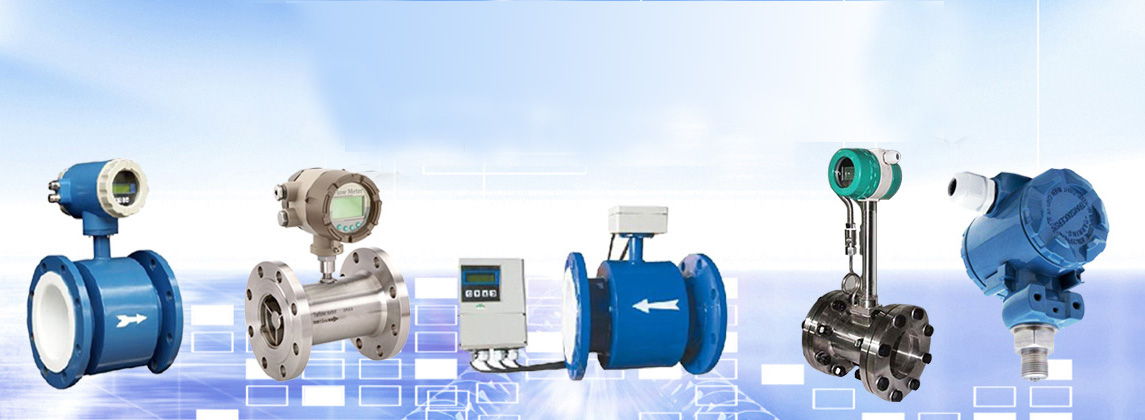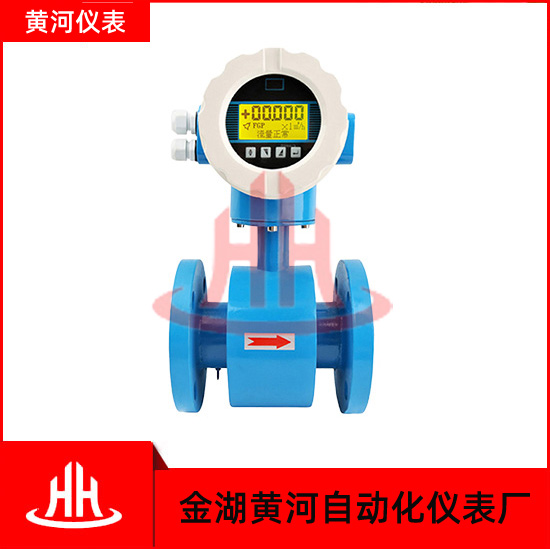
Electric electromagnetic flowmeter is a widely used instrument in industrial and environmental applications for measuring the flow rate of electrically conductive fluids. It works on the principle of Faraday's law of electromagnetic induction, where a magnetic field is applied perpendicular to the flow direction and an induced voltage is generated proportionate to the fluid velocity.
The output electrical signal from an electromagnetic flowmeter plays a crucial role in providing accurate flow rate measurements. This signal is derived from the interaction between the magnetic field and the conductive fluid passing through the inner lining of the flowmeter. The electrical signal is then processed and converted into a readable format, typically a current or a voltage output.
There are different types of output signals in electromagnetic flowmeters based on their design and purpose. The most common type is the analog output, which provides a continuous signal proportional to the flow rate. This analog output can be either current (4-20 mA) or voltage (0-10V), depending on the instrument's configuration and requirements. Analog output signals are widely used for control purposes and can be easily integrated with other monitoring systems.
In recent years, digital output signals have gained popularity due to their higher accuracy, reliability, and ease of communication. These digital output signals include pulse, frequency, and digital bus protocols such as MODBUS or HART. Pulse outputs provide discreet pulses for each unit of flow, while frequency outputs generate a frequency that directly corresponds to the flow rate. Digital bus protocols allow for easy integration with automation systems, enabling remote monitoring and control.
In conclusion, the output electrical signal from an electromagnetic flowmeter is crucial in providing accurate and reliable flow rate measurements. Whether it is an analog or digital output, the choice depends on the application requirements and the level of integration needed with other monitoring systems. As technology continues to advance, we can expect more sophisticated output options and improved performance from electromagnetic flowmeters in the future.