Electromagnetic Flowmeter: An Overview
Introduction:
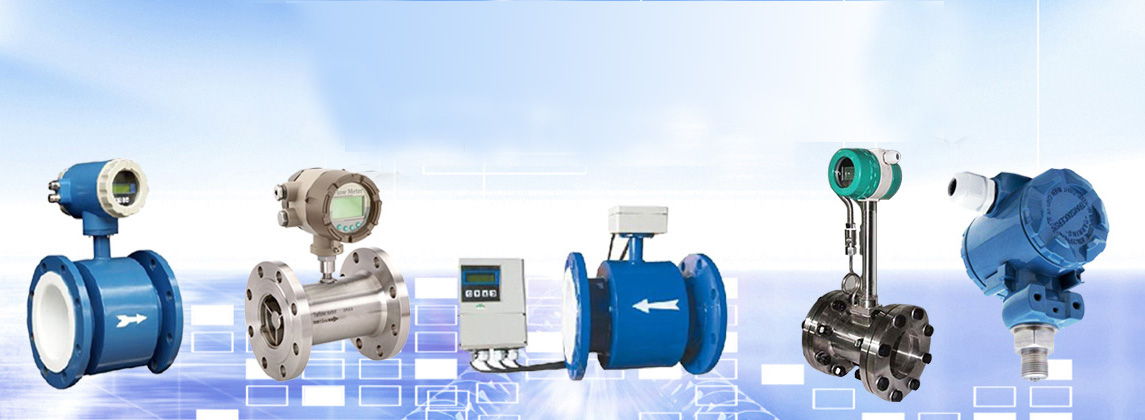
The electromagnetic flowmeter, commonly abbreviated as EMF, is a widely used device in the field of flow measurement. It utilizes the principles of electromagnetic induction to accurately measure the flow rate of conductive fluids. With its high precision and reliability, the electromagnetic flowmeter has become an essential tool in industries such as water treatment, chemical processing, and wastewater management.
Principle of Operation:
The operation of an electromagnetic flowmeter is based on Faraday's law of electromagnetic induction. According to this law, when a conductive fluid flows through a magnetic field, an electromotive force (EMF) is induced across the electrodes of the flowmeter. The magnitude of this EMF is directly proportional to the velocity of the fluid, and hence, the flow rate can be determined.
Components of an Electromagnetic Flowmeter:
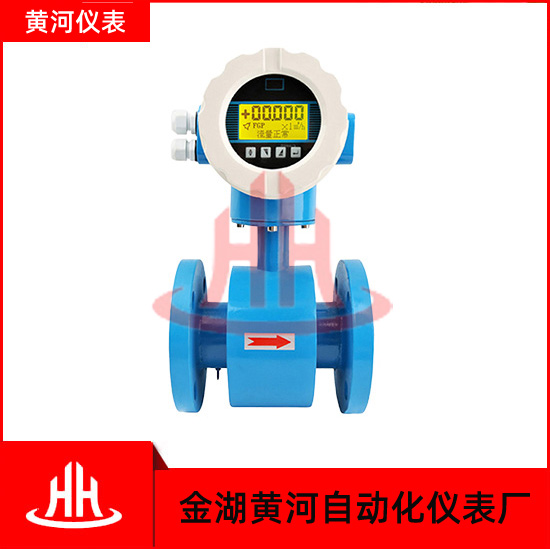
1. Flow Tube: The flow tube is the primary component of an electromagnetic flowmeter. It provides a conduit for the conductive fluid to flow through. The inner lining of the flow tube is usually made of non-conductive materials to prevent corrosion and minimize flow disturbances.
2. Magnetic Field Generator: The magnetic field generator consists of one or more coils wound around the flow tube. When an electric current passes through these coils, a magnetic field is created inside the flow tube. The strength of the magnetic field can be varied to accommodate different flow rates and fluid conductivities.
3. Electrodes: The electrodes are located at opposite ends of the flow tube. These electrodes are in direct contact with the conductive fluid. As the fluid flows through the flow tube, the induced EMF is picked up by the electrodes. The voltage difference between the electrodes is proportional to the flow rate and is used to calculate the fluid flow.
4. Transmitter: The transmitter is the brain of the electromagnetic flowmeter. It receives the signals from the electrodes and processes the data to provide accurate flow measurements. The transmitter also includes a display unit, where the flow rate can be readout in various units.
Advantages of Electromagnetic Flowmeter:
1. Wide Range of Applications: Electromagnetic flowmeters are suitable for measuring a wide range of conductive fluids, including water, acids, bases, and slurries. They can also handle fluids with varying viscosities and flow rates.
2. High Accuracy: Electromagnetic flowmeters offer high accuracy, typically within ±0.5 to 1% of the measured value. This makes them ideal for precise flow measurement in critical applications.
3. No Pressure Drop: Electromagnetic flowmeters have minimal pressure drop, unlike some other flow measurement devices. This ensures that the fluid flow is not impeded, contributing to energy savings and efficient system performance.
4. Low Maintenance: With no moving parts, electromagnetic flowmeters require minimal maintenance. They are not prone to wear and tear, reducing the need for frequent repairs or replacements.
Limitations and Considerations:
While electromagnetic flowmeters offer numerous advantages, there are some limitations and considerations to keep in mind:
1. Conductivity: Electromagnetic flowmeters can only measure conductive fluids. Therefore, they are not suitable for non-conductive fluids such as oils or hydrocarbons.
2. Pipe Size: The accuracy of an electromagnetic flowmeter can be affected by the pipe size. Smaller pipes may cause flow disturbances, affecting the accuracy of the measurements.
3. Installation: Proper installation is crucial for accurate measurements. The flow tubes should be installed horizontally and filled with the conductive fluid to eliminate air pockets or gas bubbles.
Conclusion:
The electromagnetic flowmeter, with its reliable and accurate flow measurement capabilities, has revolutionized various industries. With its ability to handle a wide range of fluid types and flow rates, it is the go-to choice for applications that require precise monitoring and control of fluid flow. While it has its limitations, proper installation and maintenance can ensure optimal performance. As industries continue to advance, the role of electromagnetic flowmeters will only grow in importance.