Electromagnetic Flowmeter: A Comparative Study
Introduction:
The measurement of fluid flow is crucial in various industries such as water treatment, chemical processing, and oil and gas production. Among the different types of flowmeters available, electromagnetic flowmeters have gained popularity due to their accurate and reliable performance. In this article, we will explore the basics of electromagnetic flowmeters and compare them to other commonly used flow measurement devices.
What is an Electromagnetic Flowmeter?
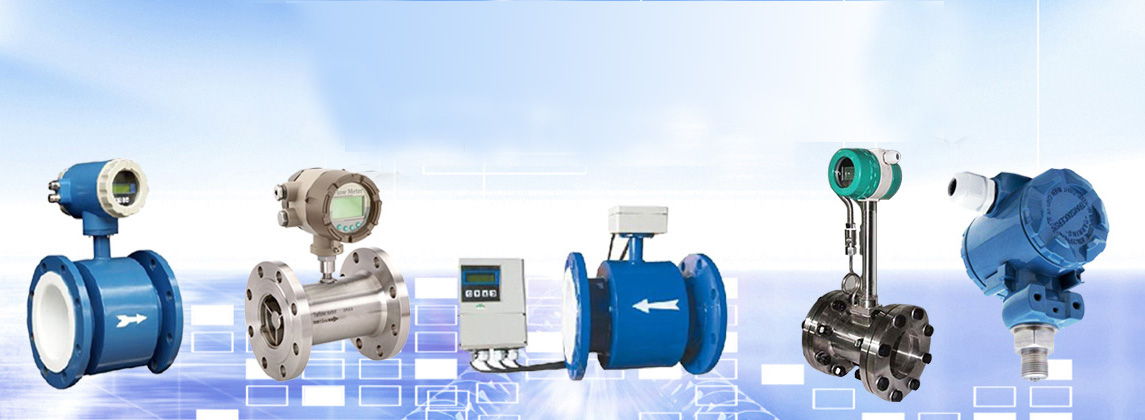
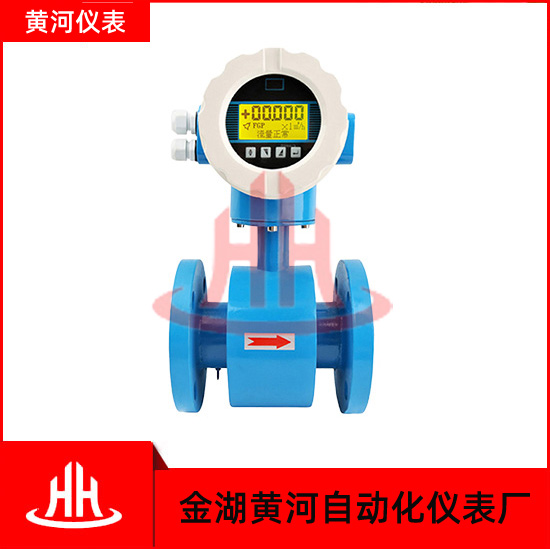
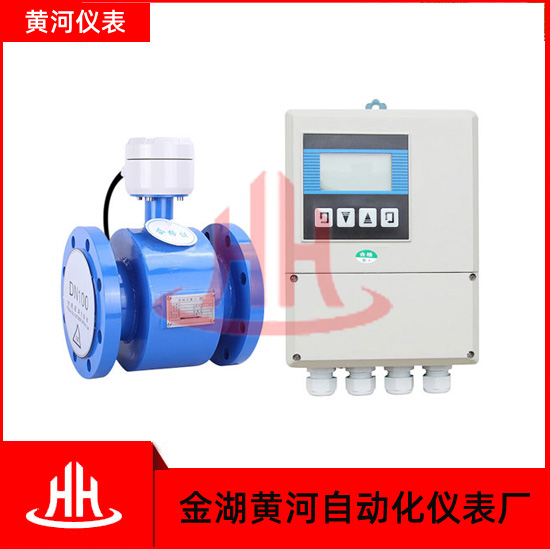
An electromagnetic flowmeter, also known as a magmeter, is a device used to measure the flow rate of conductive liquids. It operates based on Faraday's law of electromagnetic induction. When a conductive fluid flows through a magnetic field created by the flowmeter, an electromotive force (EMF) is generated. The magnitude of this EMF is directly proportional to the flow velocity and fluid conductivity. By measuring the generated EMF, the flow rate of the fluid can be determined.
Advantages of Electromagnetic Flowmeters:
1. Wide range of applications: Electromagnetic flowmeters can be used to measure the flow of various conductive liquids, including water, acids, alkalis, and slurries.
2. Accuracy: These flowmeters offer high accuracy, typically within ± 0.5% of the actual flow rate.
3. No moving parts: Electromagnetic flowmeters have no moving parts, minimizing the risk of mechanical failure and reducing maintenance requirements.
4. Wide flow range: These flowmeters can measure both low and high flow rates accurately.
5. Insensitivity to fluid properties: Unlike other flow measurement devices, electromagnetic flowmeters are not affected by changes in fluid density, viscosity, or temperature.
6. Bi-directional flow measurement: Electromagnetic flowmeters can measure flow in both forward and reverse directions, making them suitable for applications that require bidirectional flow monitoring.
Comparison with Other Flow Measurement Devices:
1. Differential Pressure (DP) Flowmeters: DP flowmeters, such as orifice plates and venturi meters, measure flow by creating a pressure drop across a constriction in the flow path. Unlike electromagnetic flowmeters, DP flowmeters are affected by fluid density and viscosity, resulting in lower accuracy. They also require regular calibration due to the potential for pressure tap blockages.
2. Turbine Flowmeters: Turbine flowmeters have a rotor that rotates as the fluid flows through it, generating a signal proportional to the flow rate. However, these flowmeters are prone to wear and tear, have a limited flow range, and can be affected by fluid impurities.
3. Ultrasonic Flowmeters: Ultrasonic flowmeters utilize sound waves to measure fluid flow. While they offer good accuracy and are non-intrusive, their performance is affected by factors such as air bubbles and flow profile distortions.
Conclusion:
Electromagnetic flowmeters are versatile flow measurement devices that offer high accuracy and reliability. They outperform other flow measurement devices in terms of their wide range of applications, accuracy, minimal maintenance requirements, and insensitivity to fluid properties. However, it is important to consider specific application requirements and fluid characteristics when selecting a flow measurement device. By understanding the advantages and limitations of different flowmeters, one can choose the most suitable option for their specific needs.