Electromagnetic Flowmeter: A Review of English Literature
Introduction
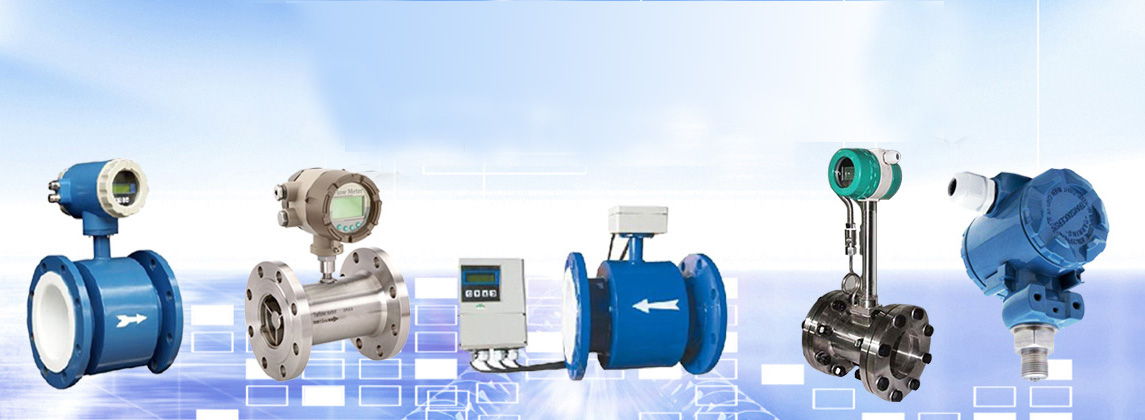
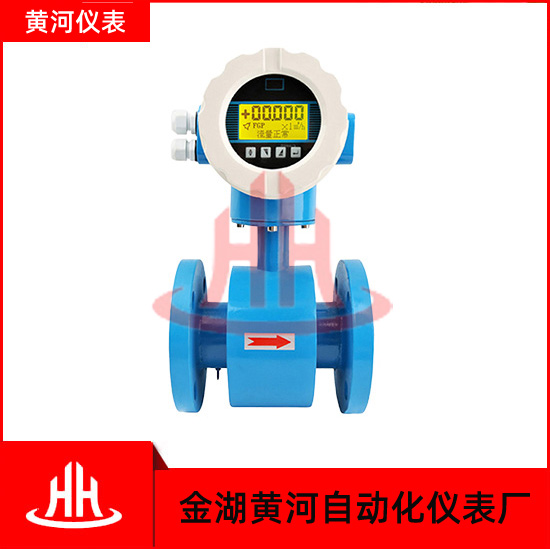
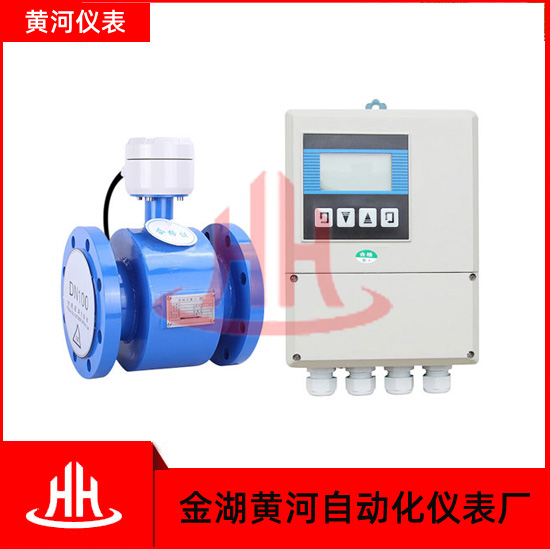
The electromagnetic flowmeter, also known as Magmeter, is a widely used instrument for measuring the flow rate of electrically conductive fluids. It is based on Faraday's law of electromagnetic induction, which states that a voltage is induced in a conductor when it moves through a magnetic field. In the case of an electromagnetic flowmeter, the conductor is the fluid flowing through a pipe, and the magnetic field is created by one or more electromagnets placed around the pipe.
Objective
The objective of this review is to provide an overview of the English literature on electromagnetic flowmeters, including their working principles, advantages, limitations, and applications. Additionally, recent advancements and future prospects in this field will also be discussed.
Working Principle
The working principle of an electromagnetic flowmeter is based on Faraday's law of electromagnetic induction. When a conductive fluid flows through a pipe, it cuts across the magnetic field created by the electromagnets. This causes a voltage to be induced in the fluid, which is proportional to the flow velocity. By measuring this induced voltage, the flow rate of the fluid can be determined.
Advantages
One of the main advantages of electromagnetic flowmeters is their ability to measure both forward and reverse flow, making them suitable for applications where bi-directional flow measurement is required. They are also not affected by changes in fluid density, viscosity, or temperature, ensuring accurate and reliable measurements. Furthermore, electromagnetic flowmeters have no moving parts, reducing the risk of mechanical failure and minimizing the need for maintenance.
Limitations
Despite their numerous advantages, electromagnetic flowmeters do have some limitations. They require a conductive fluid to operate accurately, which means they are not suitable for measuring non-conductive liquids or gases. Additionally, the presence of air bubbles or solid particles in the fluid can affect the accuracy of the measurements. Finally, electromagnetic flowmeters tend to be more expensive compared to alternative flow measurement technologies.
Applications
The versatility and accuracy of electromagnetic flowmeters make them suitable for a wide range of applications. They are commonly used in water treatment plants to measure the flow of raw water, treated water, and wastewater. The pharmaceutical and chemical industries also heavily rely on electromagnetic flowmeters for precise flow rate measurements. In the food and beverage industry, they are used to monitor the flow of liquids, such as juices and dairy products, during the manufacturing process.
Recent Advancements and Future Prospects
In recent years, there have been several advancements in electromagnetic flowmeter technology. One notable development is the use of digital signal processing techniques to improve the accuracy and reliability of measurements. Another trend is the integration of electromagnetic flowmeters with wireless communication systems, enabling remote monitoring and control. Furthermore, efforts are being made to miniaturize electromagnetic flowmeters for applications where space is limited.
Looking ahead, the future prospects of electromagnetic flowmeters seem promising. Continuous research and development efforts are focused on improving their performance, reducing costs, and expanding their capabilities. As industries continue to prioritize efficiency and accuracy in flow measurements, the demand for electromagnetic flowmeters is expected to grow.
Conclusion
In conclusion, the electromagnetic flowmeter is a reliable and versatile instrument for measuring the flow rate of conductive fluids. Despite its limitations, it offers significant advantages, including bi-directional flow measurement, independence from fluid properties, and minimal maintenance requirements. With ongoing advancements in technology, electromagnetic flowmeters are likely to play a crucial role in various industries, contributing to improved efficiency and productivity.