Electromagnetic Flowmeter Calibration: A Comprehensive Guide
Introduction:
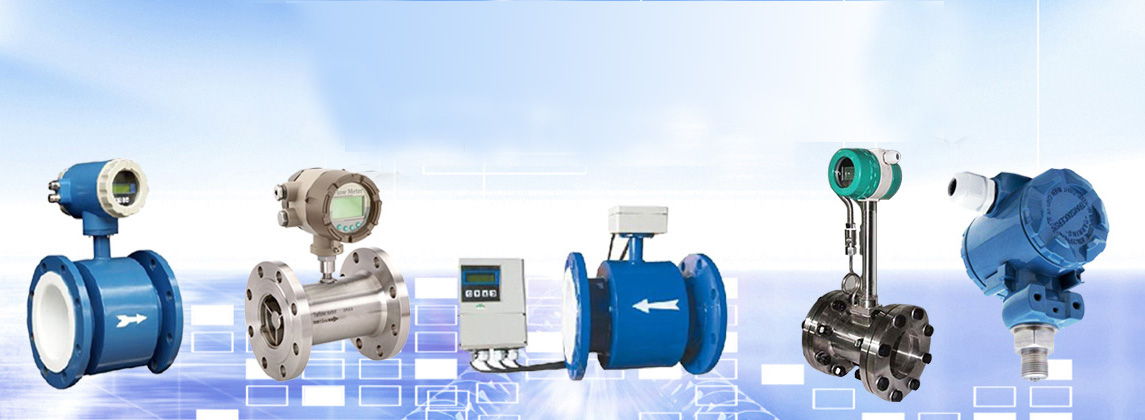
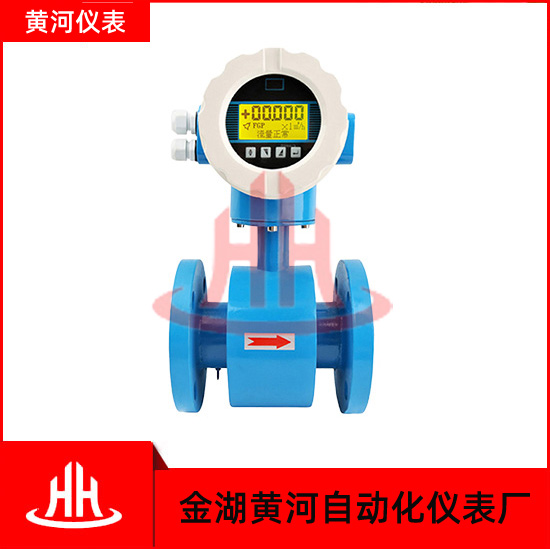
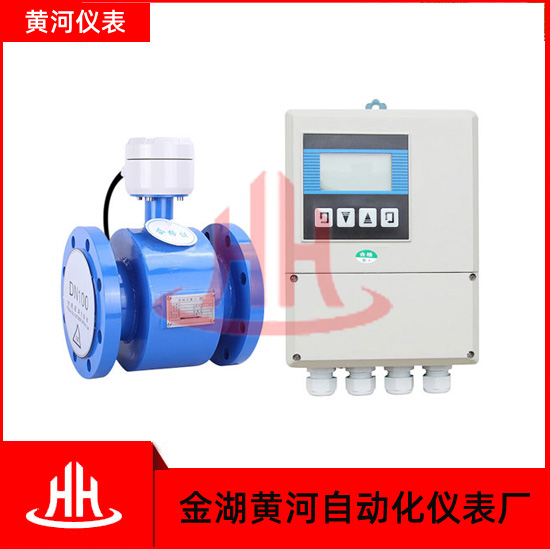
The electromagnetic flowmeter, also known as a magmeter, is a widely used device for measuring the flow rate of conductive fluids. To ensure accurate flow measurement, it is crucial to calibrate the flowmeter properly. This article aims to provide a comprehensive guide on how to calibrate an electromagnetic flowmeter.
1. Preliminary Steps:
a) Make sure all necessary tools and equipment are available, such as a reference flowmeter, a power supply, a multimeter, and calibration software.
b) Consult the flowmeter manufacturer's specifications, as they may provide specific instructions for calibration procedures.
2. Flowmeter Connections:
a) Ensure a proper electrical connection between the flowmeter and the power supply.
b) Connect the reference flowmeter in series with the flowmeter to be calibrated.
c) Connect the multimeter to the output signal of the flowmeter under calibration.
3. Initial Setup:
a) Apply power to the flowmeter and allow it to stabilize for a sufficient amount of time, as specified by the manufacturer.
b) Adjust the flow rate to a known value using the reference flowmeter.
c) Record the known flow rate and the corresponding output signal reading from the flowmeter under calibration.
4. Calibration Procedure:
a) Start the calibration software and enter the known flow rate and the corresponding output signal reading.
b) The software will generate a calibration curve based on the entered data.
c) Adjust the calibration factors, such as zero and span, according to the software instructions to match the actual measurement.
d) Repeat steps a-c for different flow rates to create a calibration curve for the entire operating range of the flowmeter.
e) Save the calibration data in the flowmeter's memory or a separate storage device.
5. Verification:
a) After completing the calibration, verify the accuracy of the flowmeter by comparing its readings with the reference flowmeter at various flow rates.
b) Make adjustments to the calibration factors if necessary, using the calibration software.
c) Document all verification results for future reference.
6. Final Steps:
a) Disconnect all connections and power supply from the flowmeter.
b) Seal the calibration settings and protect them from accidental adjustments.
c) Store the calibration data in a secure location for future use.
d) Regularly perform verification checks and recalibrate the flowmeter if significant deviations from the reference flowmeter are observed.
Conclusion:
Calibrating an electromagnetic flowmeter is a critical process to ensure accurate flow measurement. By following the steps outlined in this guide, users can confidently calibrate their flowmeters, thus enhancing the reliability and precision of their measurement systems. Regular calibration and verification are essential for maintaining the accuracy of flow measurement over time.