Title: A Guide to Using QTLd Electromagnetic Flowmeters
Introduction:
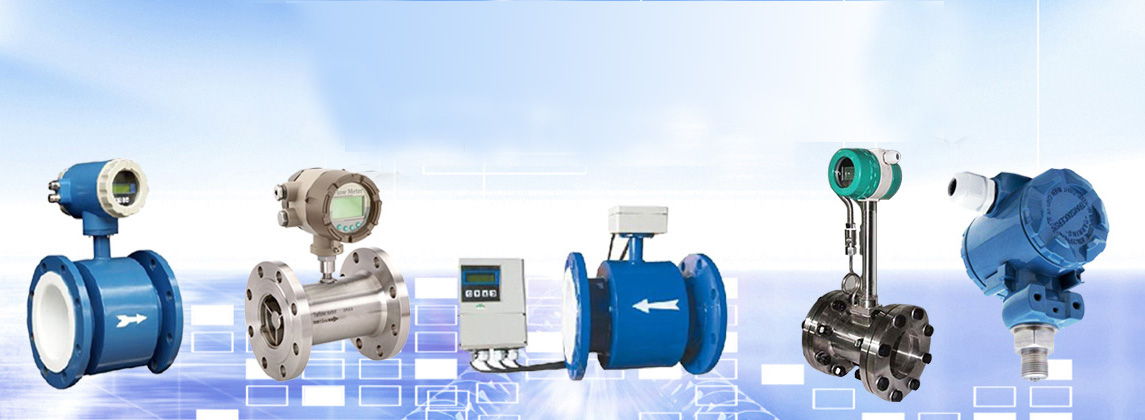
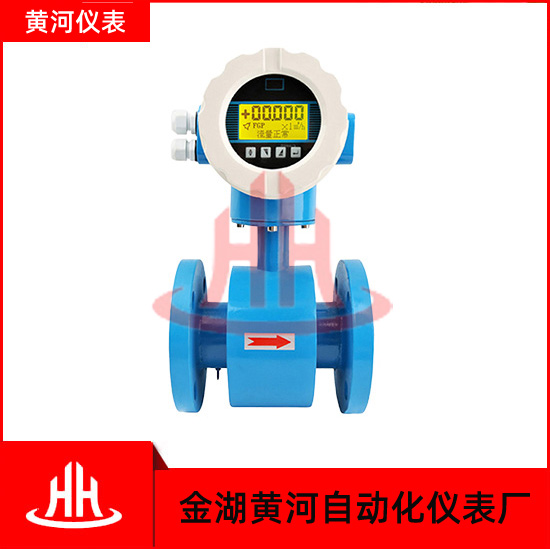
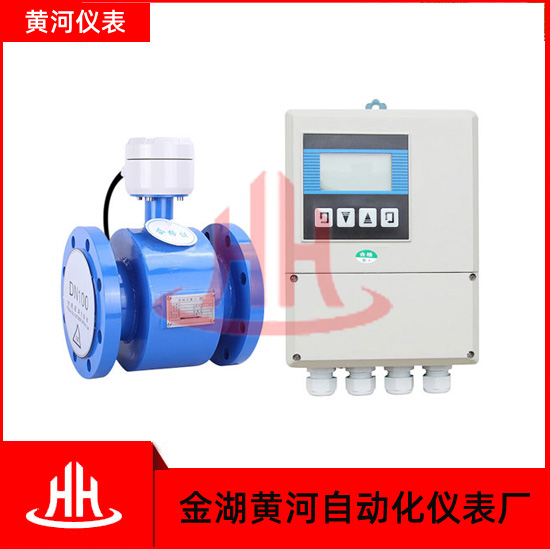
The QTLd electromagnetic flowmeter is a highly accurate and reliable device used for measuring the flow rate of conductive liquids. Known for its precision and durability, this instrument has found wide applications in various industries such as water supply, wastewater treatment, chemical processing, and food production. In this guide, we will explore the features, installation steps, and maintenance tips for the QTLd electromagnetic flowmeter.
1. Understanding the Features:
The QTLd electromagnetic flowmeter offers several features that make it a preferred choice for flow measurement:
a) Wide Measuring Range: The flowmeter can accurately measure flow rates from as low as 0.1 m/s to as high as 15 m/s, making it suitable for applications with a broad range of flow rates.
b) High Accuracy: The QTLd flowmeter provides reliable and precise measurements with an accuracy of ±0.3% or better, ensuring accurate flow data for better process control.
c) Easy Installation: With its compact and lightweight design, the QTLd flowmeter is easy to install in both horizontal and vertical pipelines. The instrument's flanged connection enables seamless integration into existing piping systems.
d) Minimal Pressure Loss: The flowmeter's unique design ensures minimal pressure loss, reducing energy consumption and optimizing system efficiency.
2. Installation Steps:
Proper installation is crucial to ensure accurate and reliable flow measurements. Follow these steps for installing the QTLd electromagnetic flowmeter:
a) Select the Installation Location: Choose a position that allows easy access for maintenance and calibration. Ensure there is a straight pipeline section before and after the flowmeter to minimize disturbances.
b) Prepare the Pipeline: Clean the pipeline thoroughly to remove any debris or impurities. Confirm that the pipeline material is compatible with the specific requirements of the flowmeter.
c) Mount the Flowmeter: Align the flowmeter flanges with the pipeline flanges and secure them using appropriate bolts. Ensure a good seal between the flanges to prevent any leakage.
d) Connect the Cables: Properly connect the signal cables, power cables, and any optional communication cables according to the manufacturer's instructions. Ensure the cables are adequately shielded to minimize electromagnetic interference.
e) Grounding: Connect the flowmeter's grounding cable to a suitable grounding point to prevent static buildup and ensure safe operation.
f) Perform Verification: After installation, perform a verification test to ensure the flowmeter is functioning correctly. Follow the manufacturer's guidelines for performing the verification process correctly.
3. Maintenance Tips:
To maintain the QTLd electromagnetic flowmeter's accuracy and prolong its lifespan, consider the following maintenance tips:
a) Regular Calibration: Schedule periodic calibrations to verify the accuracy of the flowmeter's measurements. This ensures that the instrument continues to provide reliable data.
b) Cleaning and Inspections: Regularly clean the flowmeter's electrodes and inspect them for any signs of damage or corrosion. Clean the flowmeter's inner liner to remove any deposits or fouling.
c) Protection from Physical Damage: Install protective covers or shields to prevent physical damage to the flowmeter, especially in environments with high vibrations or potential impact risks.
d) Software Updates: Stay updated with the latest firmware updates provided by the manufacturer to benefit from any performance enhancements or bug fixes.
Conclusion:
The QTLd electromagnetic flowmeter provides an accurate and reliable solution for measuring the flow rate of conductive liquids. By understanding its features, following proper installation steps, and adopting regular maintenance practices, users can ensure optimal performance and longevity of this versatile instrument. From improving process control to optimizing system efficiency, the QTLd electromagnetic flowmeter is an invaluable tool in various industrial applications.