Title: Electromagnetic Flow Meter - An Overview of its Abbreviation
Introduction:
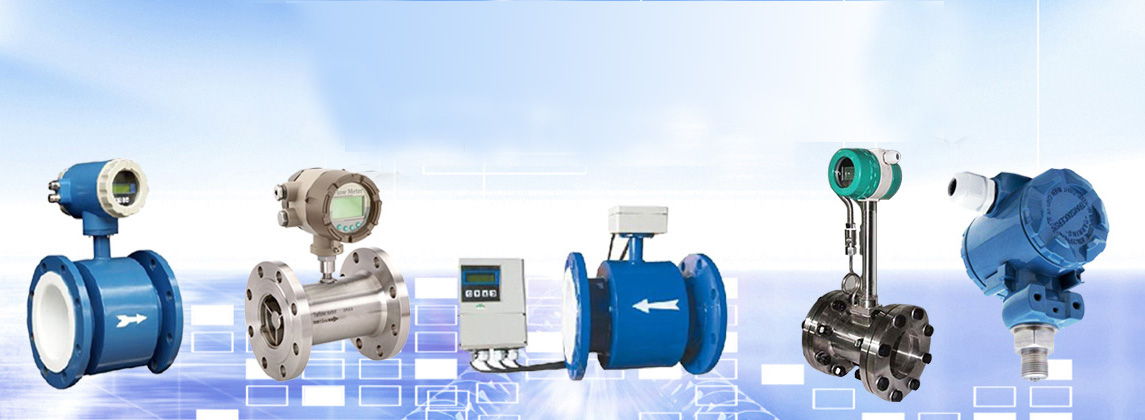
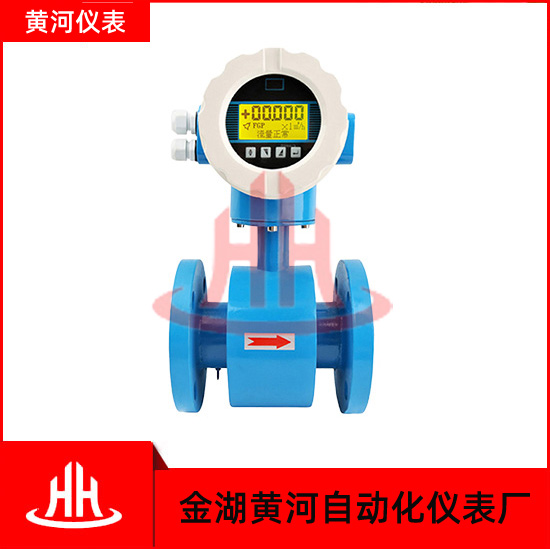
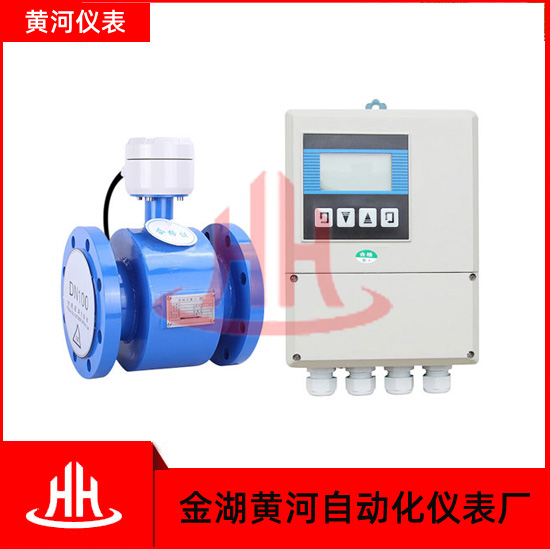
The Electromagnetic Flow Meter (EMF), also known as a magnetic flow meter, is a widely used device for measuring the flow rate of conductive fluids. It is based on Faraday's Law of electromagnetic induction. In this article, we will explore the abbreviation commonly used for the electromagnetic flow meter, its significance, and its applications.
Abbreviation: EMF
The abbreviation EMF stands for Electromagnetic Flow, referring to the flow measurement method employed by this type of flow meter. EMF is a concise and widely recognized acronym used in the industry. The term EMF represents the core principle of this flow measurement technique, which relies on the application of electromagnetic fields to measure flow.
Working Principle:
The principle behind the functioning of the electromagnetic flow meter is relatively straightforward. When a conductive fluid flows through a pipe, an electromagnetic field is generated across the pipe's diameter. Two electrodes are attached to the inner walls of the pipe, which are used to detect the voltage generated due to the fluid flow. As per Faraday's Law, the voltage generated is directly proportional to the fluid velocity and is measured by the flow meter.
Significance of EMF:
The abbreviation EMF for Electromagnetic Flow Meter is significant in various ways:
1. Clear Identification: The abbreviation EMF allows for easy identification and differentiation from other flow meters. It simplifies the communication and documentation processes.
2. Global Understanding: EMF is a globally accepted abbreviation used across industries and scientific disciplines. It ensures ease of comprehension and promotes standardized terminology.
3. Technological Advancements: The continued use of the abbreviation EMF represents the legacy and ongoing development of electromagnetic flow metering technology.
Applications:
EMFs find wide application across various industries due to their numerous benefits:
1. Water Management: EMFs are extensively used in water treatment plants, wastewater treatment facilities, and distribution networks to monitor and control water flow.
2. Chemical and Petrochemical Industries: EMFs enable accurate measurements and control in processes involving corrosive or hazardous fluids, ensuring safety and efficiency.
3. Food and Beverage: EMFs can measure the flow of liquids containing particles or pulp, making them ideal for applications in the food and beverage industry.
4. Pharmaceutical and Biotechnology: EMFs offer hygienic operation, making them suitable for applications requiring sterile or clean processes.
5. Mining and Minerals: EMFs allow for the measurement of abrasive and solid-liquid mixtures commonly encountered in mining and mineral processing operations.
Conclusion:
The Electromagnetic Flow Meter is a widely used flow measurement device, known by its abbreviation EMF. The abbreviation carries significant value, facilitating effective communication and documentation within the industry. EMF's applications span across various industries, including water management, chemical, petrochemical, food and beverage, pharmaceutical, and mining sectors. As technology advances, the abbreviation EMF will continue to represent the ongoing development and implementation of electromagnetic flow metering solutions.