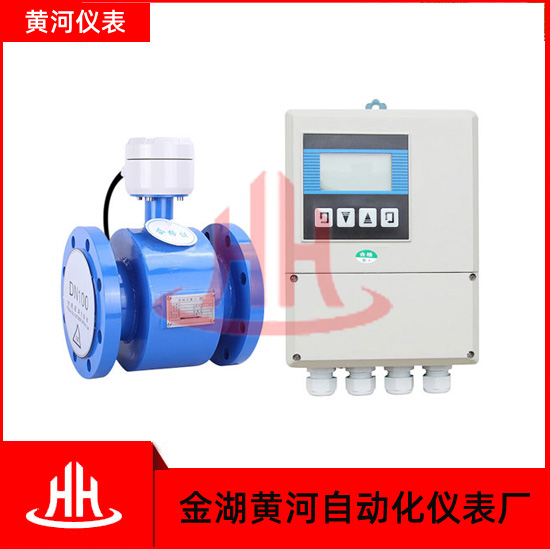
In air conditioning and refrigeration systems, the calculation of cooling capacity is a crucial aspect. The cooling capacity indicates the system's ability to remove heat from the space being conditioned or cooled. To accurately calculate the cooling capacity, various factors come into play, one of which is the flow of cold fluid.
Cold fluid flow refers to the movement of a refrigerant or other heat transfer medium through a system, typically carried by pipes or tubes. In an air conditioning system, the cold fluid is the refrigerant, which absorbs heat from the air in the space being cooled and releases it into the external environment.
The flow of cold fluid plays a vital role in determining the cooling capacity of a system for several reasons:
Heat Transfer Rate: The rate of heat transfer is directly proportional to the flow rate of the cold fluid. Higher flow rates allow more refrigerant to pass through the evaporator coil, resulting in a higher heat transfer rate and, consequently, increased cooling capacity. Effective Heat Transfer Surface Area: The cold fluid flow helps distribute the refrigerant evenly across the evaporator coil, maximizing its surface area. A larger effective heat transfer surface area facilitates greater heat absorption from the air, enhancing the cooling capacity. Refrigerant Temperature: The flow of cold fluid helps maintain a relatively constant refrigerant temperature within the evaporator. This stable temperature ensures efficient heat absorption and sustains the cooling capacity.The cooling capacity of a system can be calculated using the following formula:
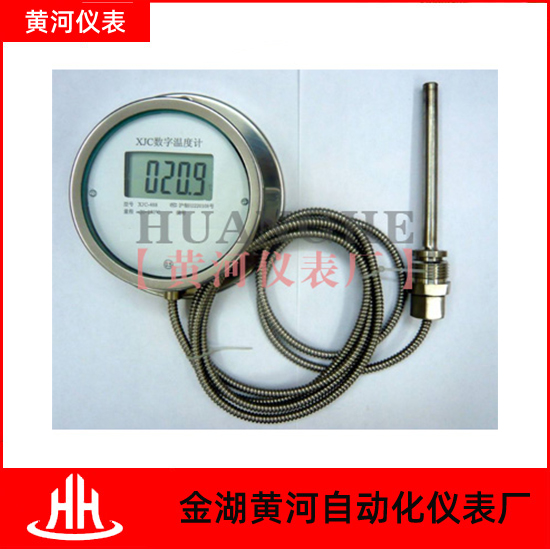
Cooling Capacity = Flow Rate x Fluid Specific Heat x Temperature Difference where: Cooling Capacity is measured in BTU/hr (British Thermal Units per hour). Flow Rate is the volume of cold fluid flowing through the system per unit time, typically measured in GPM (gallons per minute). Fluid Specific Heat is a measure of the fluid's ability to absorb heat, and for refrigerants, it is usually provided by the manufacturer. Temperature Difference is the difference between the cold fluid temperature at the inlet and outlet of the evaporator coil.Let us consider an air conditioning system with a cold fluid flow rate of 5 GPM, using a refrigerant with a specific heat of 0.5 BTU/lb-°F, and an inlet and outlet temperature difference of 20°F. Substituting these values into the formula gives us:
Cooling Capacity = 5 GPM x (8.33 lb/gal) x 0.5 BTU/lb-°F x 20°F Cooling Capacity = 416.75 BTU/hrSeveral factors can influence the flow of cold fluid in a system, including:
Pipe Size: The diameter of the pipes or tubes used to transport the cold fluid affects the flow resistance. Larger pipe diameters reduce flow resistance, allowing for higher flow rates. Pipe Length: The longer the distance the cold fluid has to travel, the greater the flow resistance it encounters. Minimizing pipe length helps maintain higher flow rates. Fluid Viscosity: The viscosity of the cold fluid (resistance to flow) can impact its flow rate. Fluids with higher viscosity flow more slowly, while those with lower viscosity flow more easily. System Pressure: The pressure in the system can affect the cold fluid flow rate. Lower pressure reduces flow resistance, while higher pressure increases it.By considering the factors affecting cold fluid flow, it is possible to optimize it for enhanced cooling capacity. Some strategies include:
Using Larger Pipes: Opting for larger diameter pipes or tubes reduces flow resistance and promotes higher cold fluid flow rates. Minimizing Pipe Length: Designing the system with the shortest possible pipe lengths helps minimize flow resistance, maintaining higher flow rates. Choosing Low-Viscosity Fluid: Selecting a cold fluid with lower viscosity reduces flow resistance and allows for higher flow rates. Maintaining Optimal System Pressure: By maintaining appropriate system pressure,