Introduction
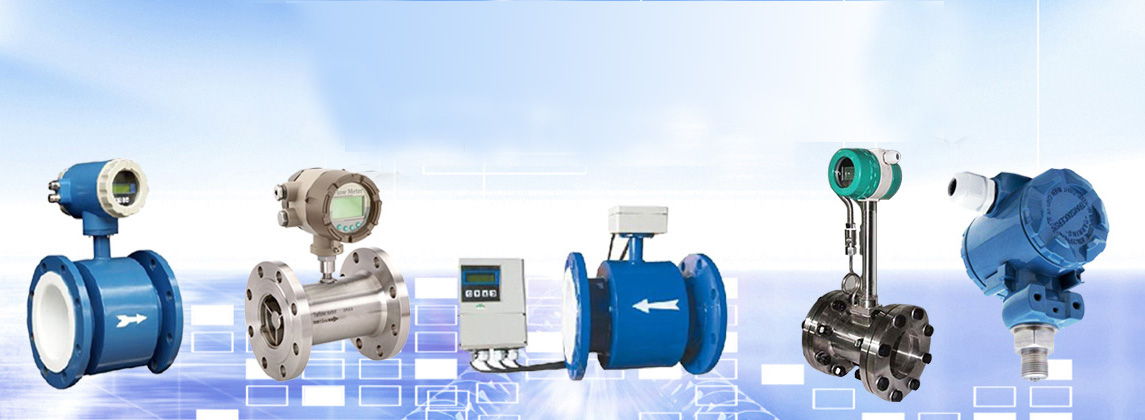
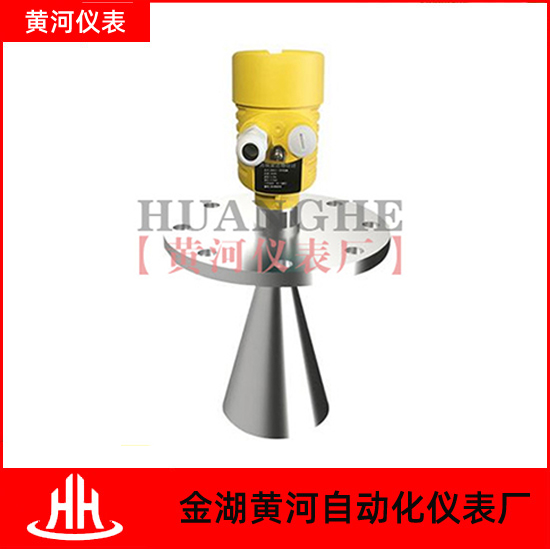
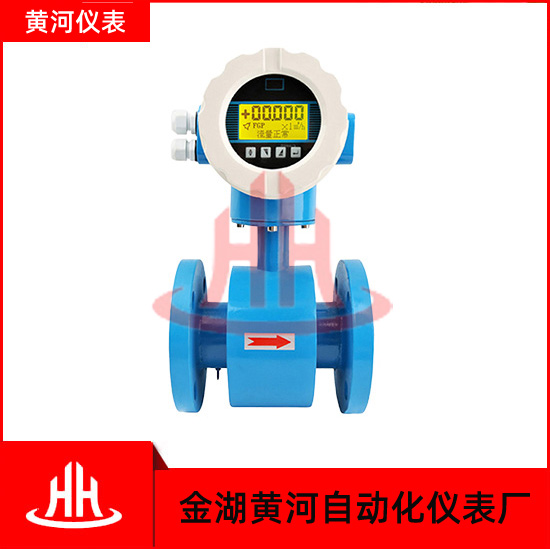
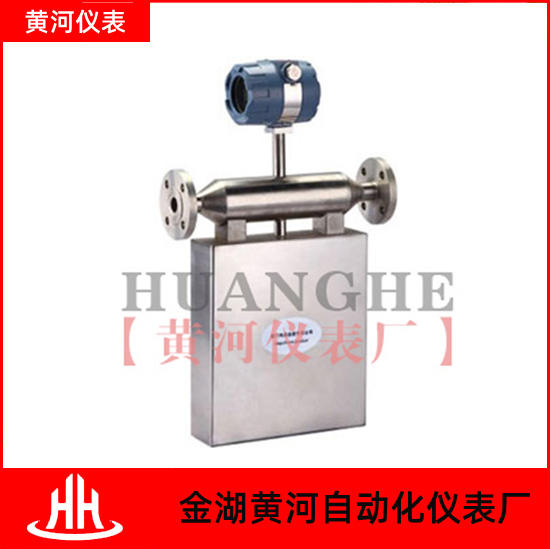
An intelligent float level transmitter is a device used to measure the level of liquids or other fluids in a tank or other container. The transmitter uses a float to measure the level of the fluid and then converts the measurement into an electrical signal that can be used by a controller or other device.
Working Principle
Intelligent float level transmitters typically use a float made of a lightweight material, such as plastic or metal. The float is attached to a rod or cable that is connected to a spring. As the level of the fluid changes, the float moves up or down, causing the spring to expand or contract. The movement of the spring is then detected by a sensor, which converts the movement into an electrical signal.
Benefits of Intelligent Float Level Transmitters
Intelligent float level transmitters offer several benefits over traditional float level switches, including:
Accuracy and reliability: Intelligent float level transmitters use precision sensors to measure the position of the float, which provides accurate and reliable level measurements. Continuous monitoring: Intelligent float level transmitters continuously monitor the level of the fluid, which allows for more precise control of the system. Remote monitoring: Intelligent float level transmitters can be connected to a controller or other device that allows for remote monitoring of the level of the fluid. Versatility: Intelligent float level transmitters can be used in a wide variety of applications, including tanks, vessels, and pipelines.Applications
Intelligent float level transmitters are used in a wide variety of applications, including:
Water and wastewater treatment: Intelligent float level transmitters are used to monitor the level of water in reservoirs, tanks, and other structures. Chemical processing: Intelligent float level transmitters are used to monitor the level of chemicals in tanks, reactors, and other vessels. Oil and gas industry: Intelligent float level transmitters are used to monitor the level of oil and gas in tanks, pipelines, and other structures. Food and beverage industry: Intelligent float level transmitters are used to monitor the level of food and beverages in tanks, vessels, and other structures.Selection Criteria
When selecting an intelligent float level transmitter, several factors should be considered, including:
Accuracy and reliability: The accuracy and reliability of the transmitter are important considerations for any application. Fluid compatibility: The transmitter must be compatible with the fluid being measured. Temperature range: The transmitter must be able to operate within the temperature range of the application. Pressure range: The transmitter must be able to withstand the pressure range of the application. Mounting requirements: The transmitter must be able to be mounted in the desired location. Cost: The cost of the transmitter is an important consideration for any application.Conclusion
Intelligent float level transmitters are versatile and reliable devices that can be used in a wide variety of applications. By understanding the working principle, benefits, applications, selection criteria, and installation guidelines, you can select the ideal intelligent float level transmitter for your specific needs.