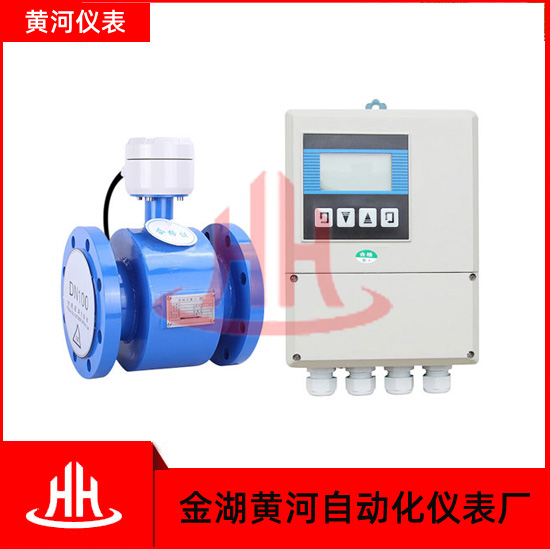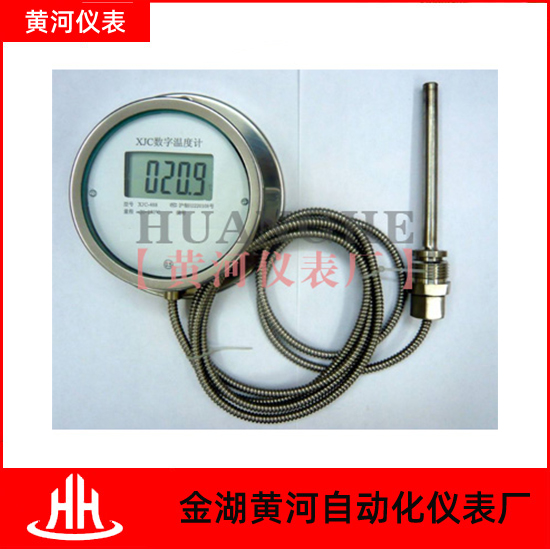
When it comes to measuring pressure in industrial processes, one of the widely used instruments is the Flange Pressure Transmitter. Known for its reliability and accuracy, this device plays a crucial role in various applications across industries. In this article, we will delve into the intricacies of the Flange Pressure Transmitter, including its functions, components, and applications.
The Flange Pressure Transmitter, often abbreviated as FPT, is a specialized instrument designed to measure and transmit pressure data in industrial environments. It consists of several key components that work together to ensure accurate measurement and reliable performance.
One of the primary components of the Flange Pressure Transmitter is the sensing element, which is responsible for converting the applied pressure into an electrical signal. This element is typically made of materials such as silicon or stainless steel, chosen for their ability to withstand harsh operating conditions.
Another essential component of the Flange Pressure Transmitter is the transmitter itself, which amplifies and conditions the electrical signal generated by the sensing element. This transmitter ensures that the output signal is proportional to the applied pressure, making it suitable for further processing and analysis.
Additionally, the Flange Pressure Transmitter includes a flange connection, which allows for easy installation and integration into existing industrial systems. This feature ensures compatibility with a wide range of piping configurations, making the device versatile and easy to deploy.
One of the key advantages of the Flange Pressure Transmitter is its ability to provide accurate and reliable pressure measurements in real-time. This capability is crucial for monitoring and controlling various industrial processes, ensuring optimal performance and efficiency.
Furthermore, the Flange Pressure Transmitter is designed to withstand harsh environmental conditions, including high temperatures, corrosive chemicals, and mechanical vibrations. This rugged construction ensures long-term reliability and durability, even in the most demanding operating environments.
In terms of applications, the Flange Pressure Transmitter finds widespread use in industries such as oil and gas, chemical processing, power generation, and manufacturing. It is employed for tasks such as pressure monitoring, flow control, leak detection, and equipment protection.
In conclusion, the Flange Pressure Transmitter, or FPT, is a critical instrument for measuring pressure in industrial processes. Its robust construction, reliable performance, and versatile applications make it an indispensable tool for engineers and technicians across various industries.
Professional conclusion: The Flange Pressure Transmitter, abbreviated as FPT, stands as a pinnacle of precision and reliability in industrial pressure measurement. Its robust design, versatile applications, and accurate performance make it an indispensable asset in various industrial settings.