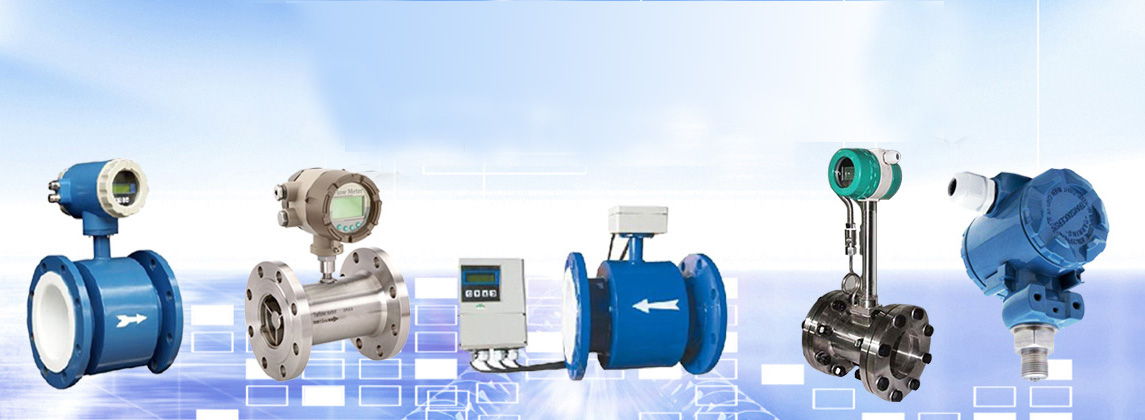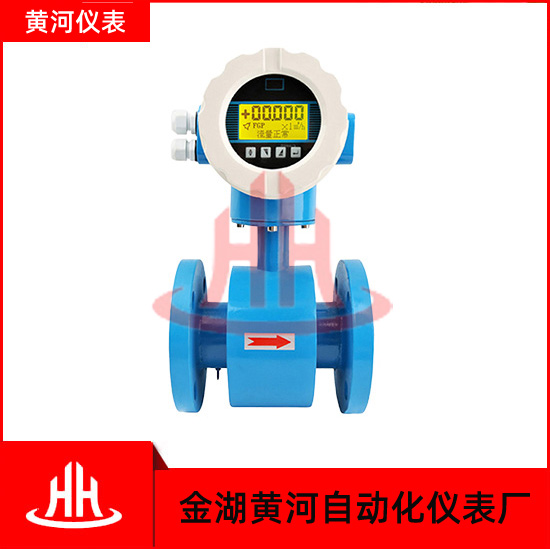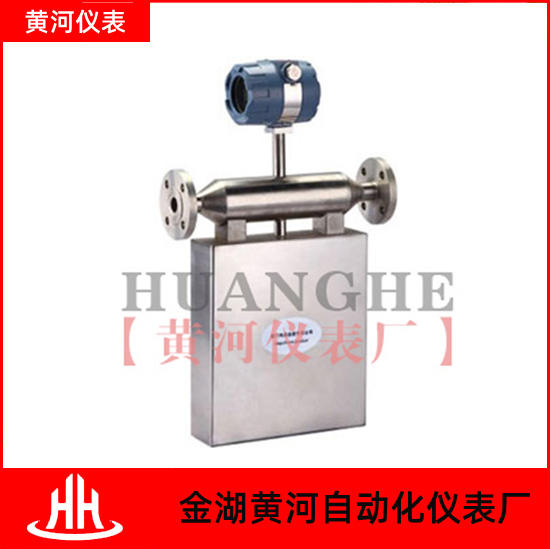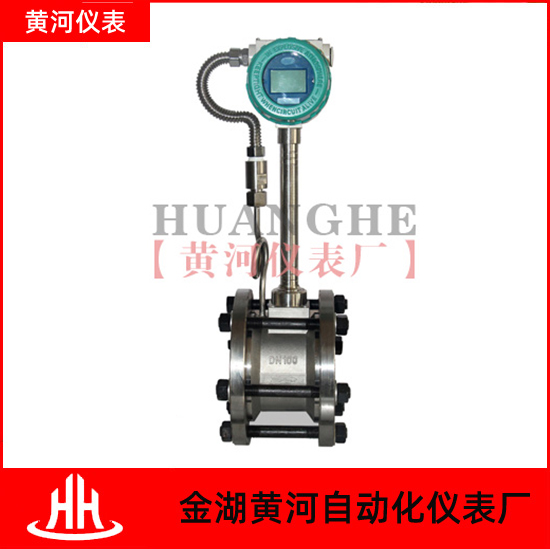
In the realm of industrial instrumentation, there exists a crucial component known as the Flange Liquid Level Transmitter, often abbreviated as FLLT. This device plays a pivotal role in accurately measuring and transmitting liquid levels within various industrial processes. In this article, we delve into the intricacies of the FLLT, exploring its functionalities, applications, and importance in modern industrial settings.
The Flange Liquid Level Transmitter operates on the principle of hydrostatic pressure, utilizing the height of the liquid column above the sensor to determine the liquid level. It typically consists of a pressure sensor, a flange for mounting onto the vessel, and electronic circuitry for signal processing and transmission.
One of the key advantages of the FLLT is its versatility in measuring a wide range of liquids, including corrosive and hazardous substances. This makes it an indispensable tool across various industries such as petrochemical, pharmaceutical, and wastewater treatment.
Furthermore, the FLLT boasts high accuracy and reliability, ensuring precise measurement even in challenging operating conditions. Its robust construction allows for long-term performance without frequent maintenance, thus minimizing downtime and enhancing productivity.
When it comes to installation, the Flange Liquid Level Transmitter offers flexibility and ease of integration with existing systems. Its compact design and multiple mounting options facilitate seamless installation, enabling quick deployment and implementation.
In conclusion, the Flange Liquid Level Transmitter, with its advanced capabilities and widespread applications, stands as a cornerstone of modern industrial instrumentation. Its ability to provide accurate and reliable liquid level measurements contributes significantly to operational efficiency and process optimization across various sectors.
For precise liquid level measurement in industrial processes, the Flange Liquid Level Transmitter, or FLLT, emerges as an indispensable solution. With its robust construction, versatile compatibility, and high accuracy, it ensures optimal performance and reliability in diverse industrial applications.